

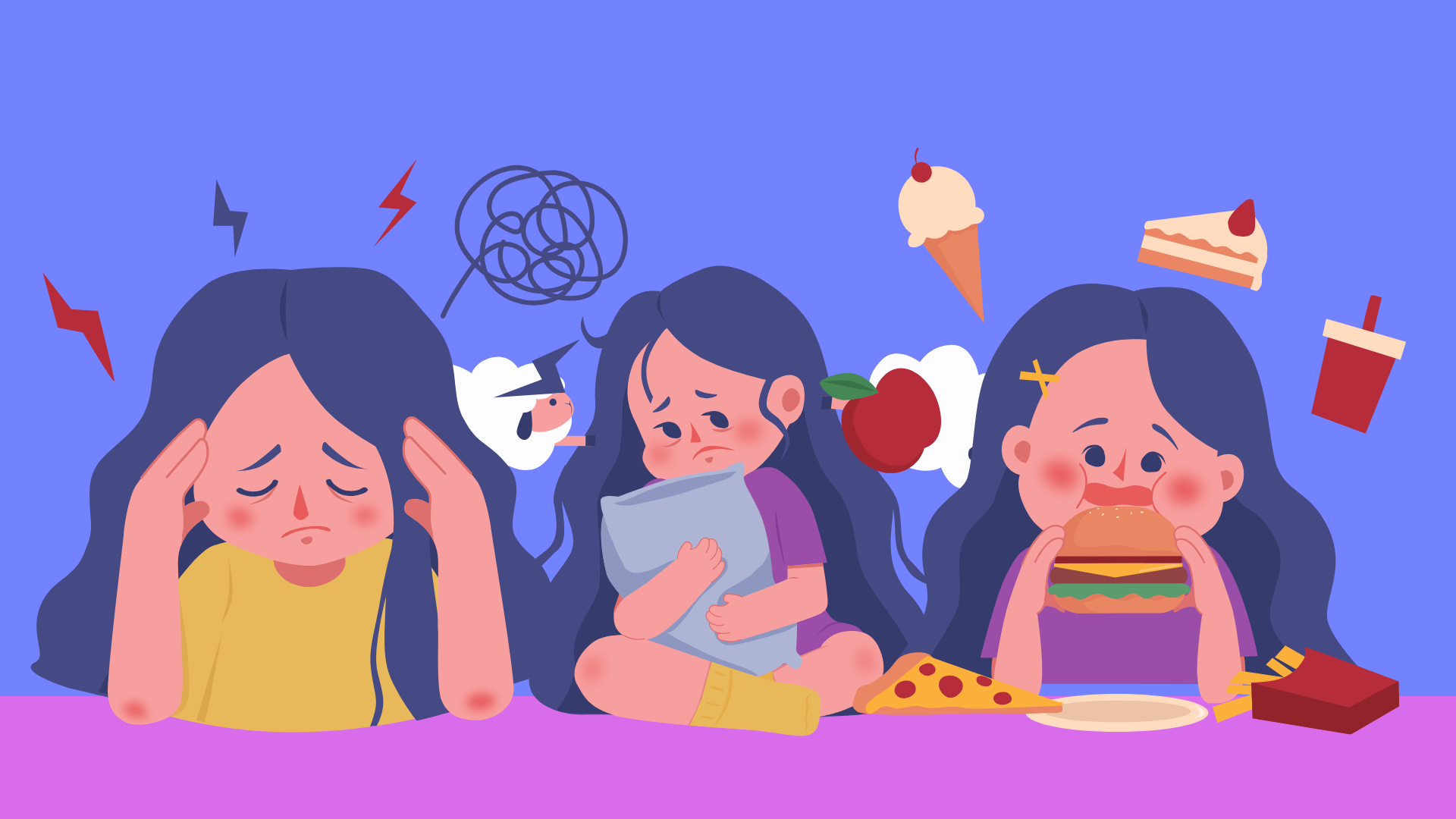
Menopause is a natural stage in a woman’s life, typically occurring between ages 45 and 55, when menstrual periods stop and hormone levels change. Menopause can bring important changes that impact both physical and mental health. Three of the most common and challenging mental health concerns during menopause are depression, eating disorders, and insomnia.
Depression During Menopause
Hormonal shifts during menopause can affect the brain chemicals that regulate mood, making some women more vulnerable to depression. In addition to these biological changes, menopause often coincides with life transitions—children leaving home, changes in relationships, or career adjustments—which can add to emotional stress. Women who have a history of depression are especially at risks of developing more severe depressive symptoms during menopause.
Signs of depression may include persistent sadness, loss of interest in activities, low energy, difficulty concentrating, changes in appetite, and feelings of hopelessness. It’s important to remember that depression is not a sign of weakness or a “normal” part of aging. If you or someone you know is experiencing these symptoms, professional help is available and effective. Treatment may include counselling, lifestyle changes, and, in some cases, medication.
Eating Disorders and Disordered Eating in Menopause
While eating disorders are often associated with adolescence, research shows that disordered eating can also become a concern in midlife and menopause. Hormonal changes, weight fluctuations, and shifts in body composition can lead to increased body dissatisfaction. Social pressures to maintain a youthful appearance and the emotional challenges of this life stage can sometimes trigger unhealthy eating behaviors.
Disordered eating during menopause may include restrictive dieting, binge eating, or an overemphasis on weight and shape. These behaviors can lead to nutritional deficiencies, bone loss, and other serious health concerns. Even if symptoms are not severe enough to meet the criteria for an eating disorder, they can still impact physical and mental well-being.
If you notice frequent dieting, preoccupation with food, or distress about body image during menopause, it’s important to seek support. Professional counselling or nutritional guidance can help develop a healthier relationship with food and body.
Insomnia and Sleep Difficulties
Sleep problems are very common during menopause. Hot flashes, night sweats, and hormonal changes can make it difficult to fall asleep or stay asleep, leading to chronic insomnia. Poor sleep affects more than just energy levels; it can worsen mood swings, increase irritability, and contribute to depression and anxiety.
If insomnia persists, it’s important to talk with a healthcare provider. Cognitive-behavioral therapy for insomnia (CBT-I) is a highly effective, non-medication treatment that can help restore healthy sleep. Good sleep hygiene, stress management, and sometimes medication may also be recommended.
When to Seek Help?
Mental health challenges during menopause are common but treatable. If you are struggling with depression, eating concerns, or insomnia, reaching out for professional help is a sign of strength. Early intervention can improve your quality of life and help you navigate menopause with greater resilience and well-being.
Our clinic offers compassionate, holistic care for women going through menopause. Please contact +852 2824 0822 or enquiries@centralhealth.com.hk to make an appointment.